

Research Supports Movement.
Every aspect of Surfside was built with intention, particularly the integration of daily physical movement and activities for our participants. We created an environment that supports sobriety and mental health, which means we incorporate non-clinical activities that maintain sobriety and extend beyond 12-step involvement.
There’s a growing mountain of research that reveals regular moderate and high intensity exercise can decrease cravings, improve self-reported depression/anxiety, and start to rebuild substance-induced neurological damage.
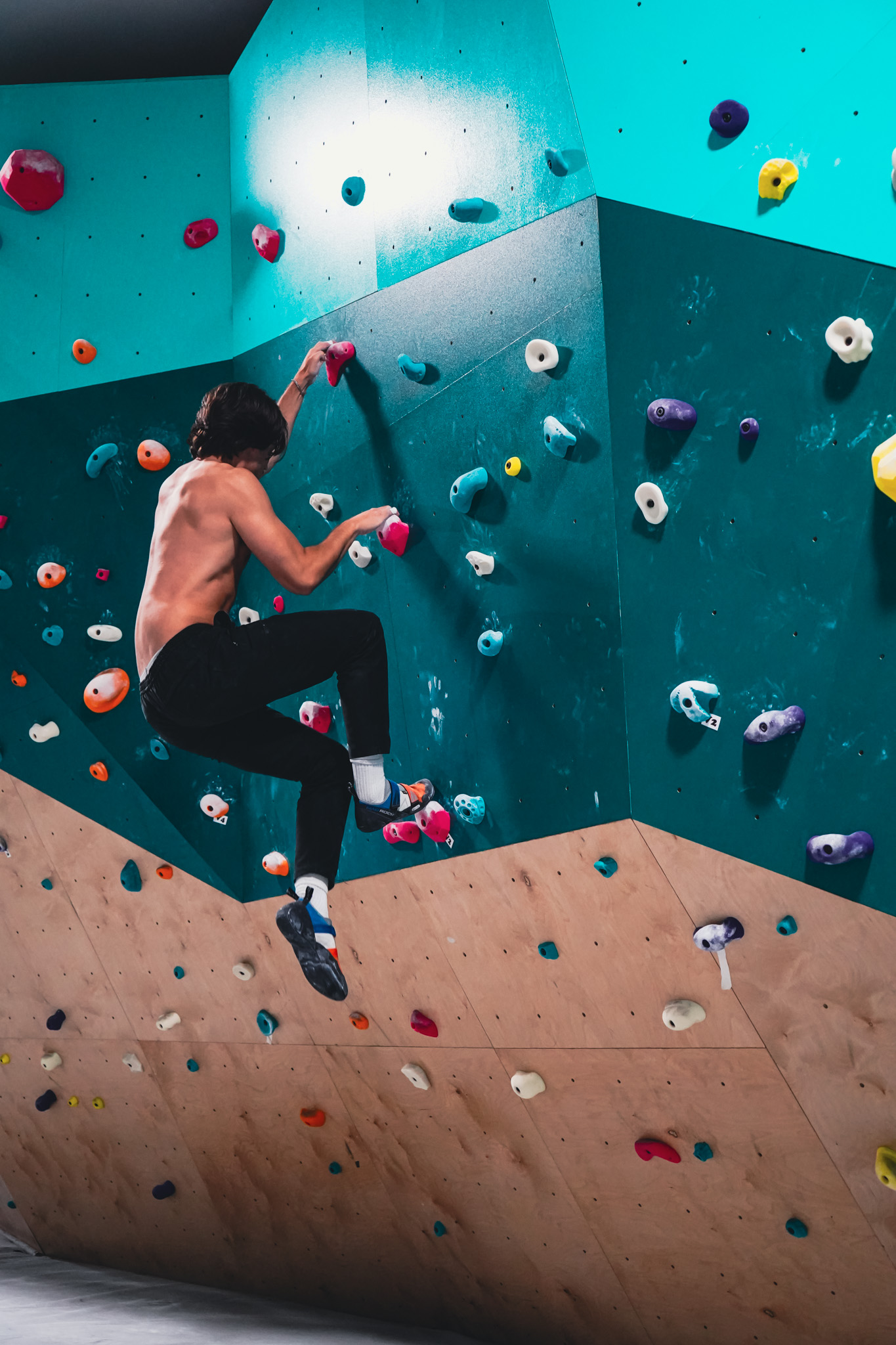
The Neuroscience Behind Surfside’s Approach
We know that addiction isn’t just behavioral – brain functioning comes into play. This means that we engage folks in non-clinical activities that retrain the brain.
Research shows that the Anterior Mid-Cingulate Cortex (AMCC) is responsible for making decisions, particularly those that involve anxiety, uncertainty or conflict.
- We see a disruption in this part of the brain when someone struggles with addiction. Suboptimal functioning in the AMCC manifests in difficulty regulating emotion and impulsive behaviors. “Just not using” becomes more difficult when this part of the brain is weakened.
- The more this part of the brain is engaged, the stronger it becomes. We develop the AMCC by engaging in a task that we don’t want to do – like getting off the couch and exercising. Move a muscle, change a thought.
- Avoiding discomfort deprives the brain of the opportunity to develop the AMCC, which plays a significant role in recovery. Surfside’s rules include participation in sports & movement to create brain-healthy habits.

Why Movement?
What Makes Surfside Unique?
A 2015 survey of participants in substance use programming reports that 70% of patients want an exercise program to be part of their treatment, and 76% of them want to be offered multiple fitness modalities. Participants in this study reported the biggest barriers to regular physical activity were lack of equipment, direction, confidence or motivation – very few reported that they didn’t have the time to work out (Stroutenberg et al., 2015).
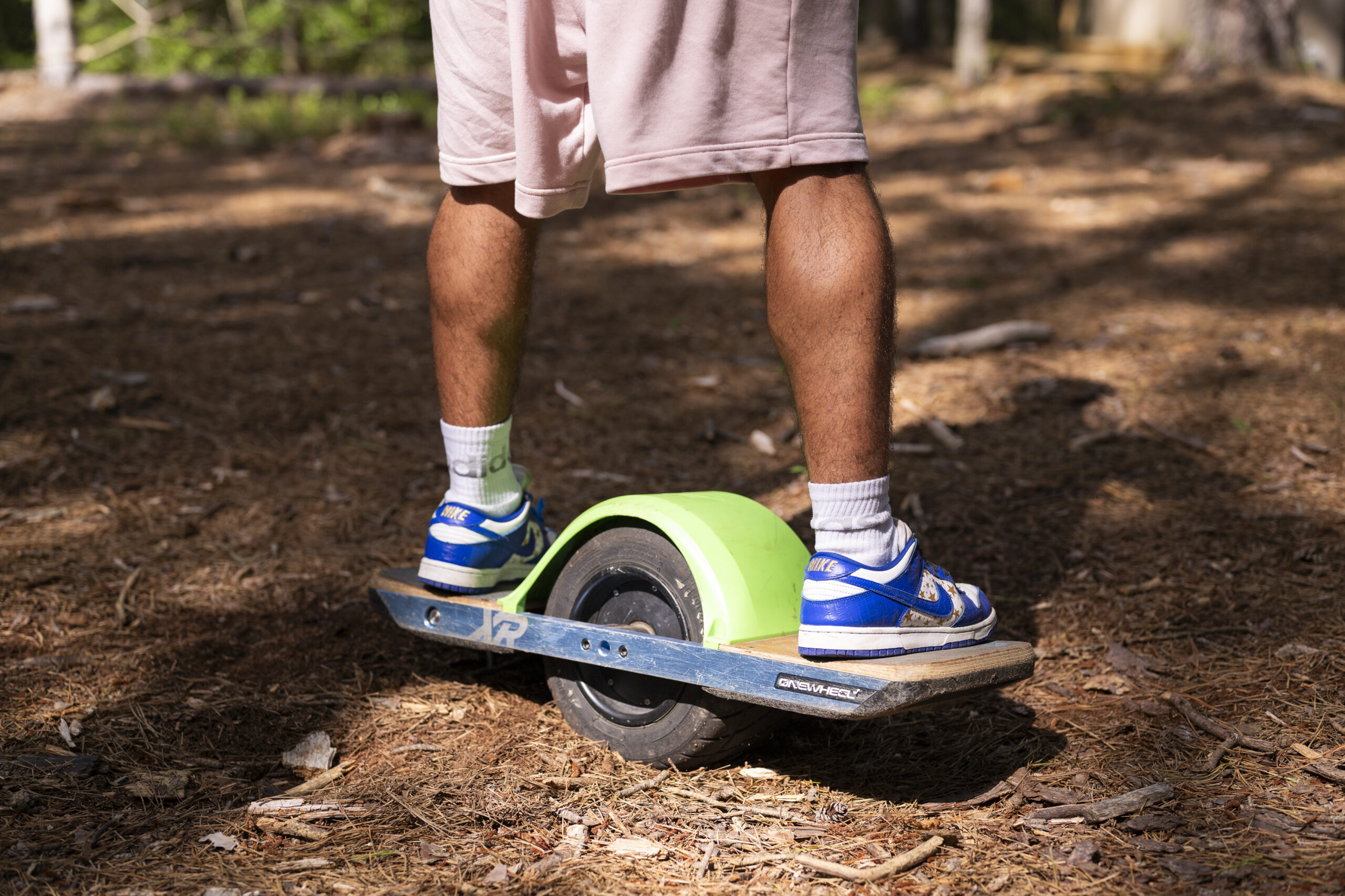
Surfside’s variety of outlets for physical fitness seeks to remove the barriers reported in different studies. By providing access to a massive fitness center (Saltwater Athletics) directly next door to a local outpatient treatment center, equipment is easily accessible. Surfside participants have access to a structured trainer-led fitness class multiple days a week, as well as the freedom to build one’s own workout on “open gym” days. With access to bicycles, paddleboards, one-wheel skateboards and a range of team sports, we open the door for participants to explore the physical movement that feels right for them. And on the days that motivation is lacking, we simply ask participants to bring the body & the mind will follow… just like we do in recovery.
CrossFit as a Tool to Build Resilience
Mental toughness (the ability to respond to challenges) and resilience (withstanding/bouncing back from adversity) are critical to maintaining recovery, but require practice. Participants need to build these skills in low-stress circumstances so they’re primed when we encounter big emotions, high stress, and the ups-and-downs of life.
Addiction tends to involve “all or nothing” thinking. Often people see a setback or inconvenience as a reflection of who they are, rather than a circumstance that can be overcome. Developing mental toughness and resilience allows people to believe they are fully capable of handling life’s challenges – without using substances or maladaptive coping mechanisms.
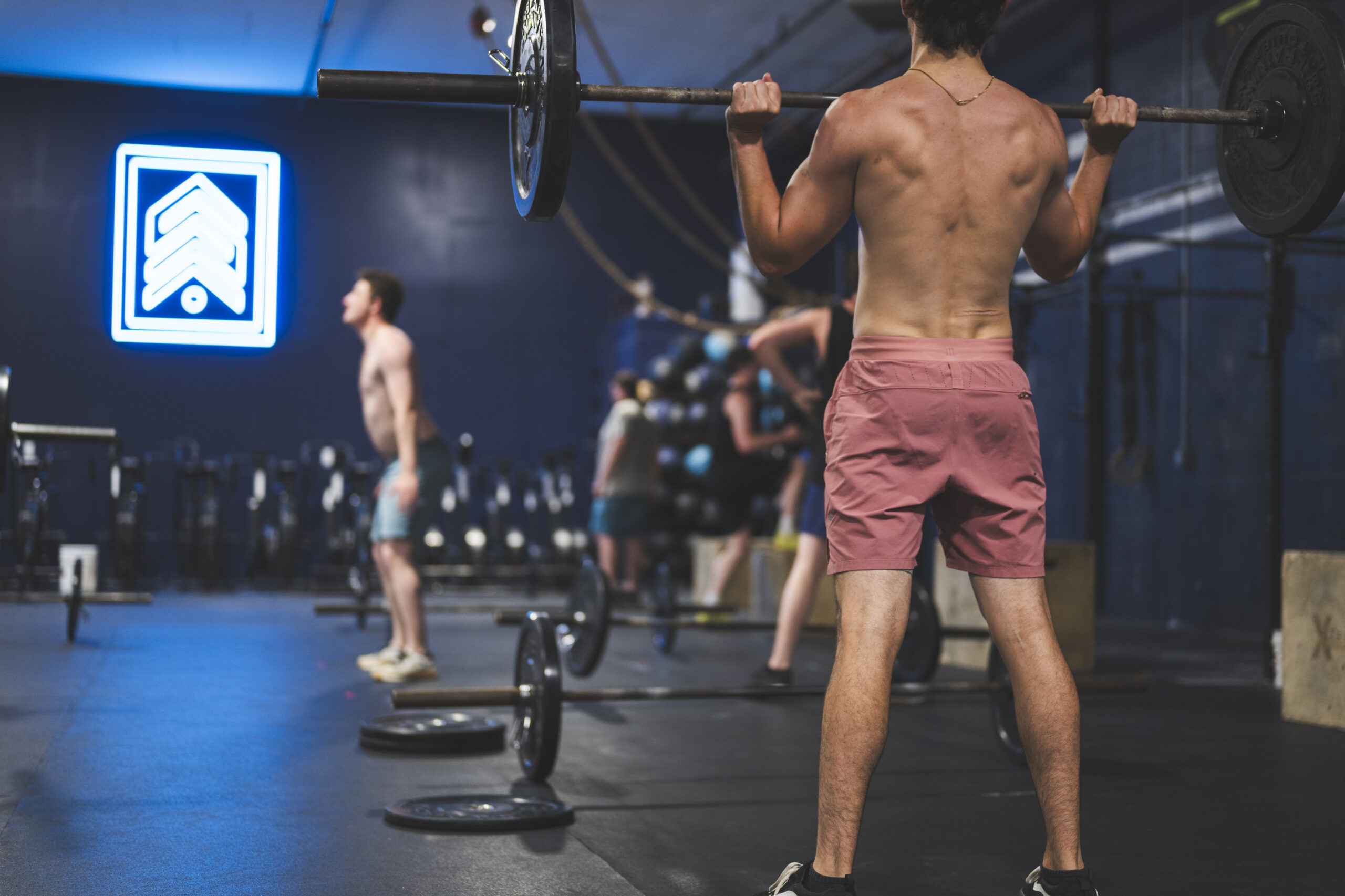
CrossFit is a real life + low-stress opportunity to manage frustration, fatigue, and fleeting thoughts. Participating in a challenging workout allows participants to move through thoughts like, “I can’t do this” and experience profound self-confidence when they’re finished.